Examining Wallet Integration Patterns That Shape Progressive Win Distributions Across Emerging Handheld Platforms in Controlled Nordic Markets
Noah Vogel · Oct 25, 2026
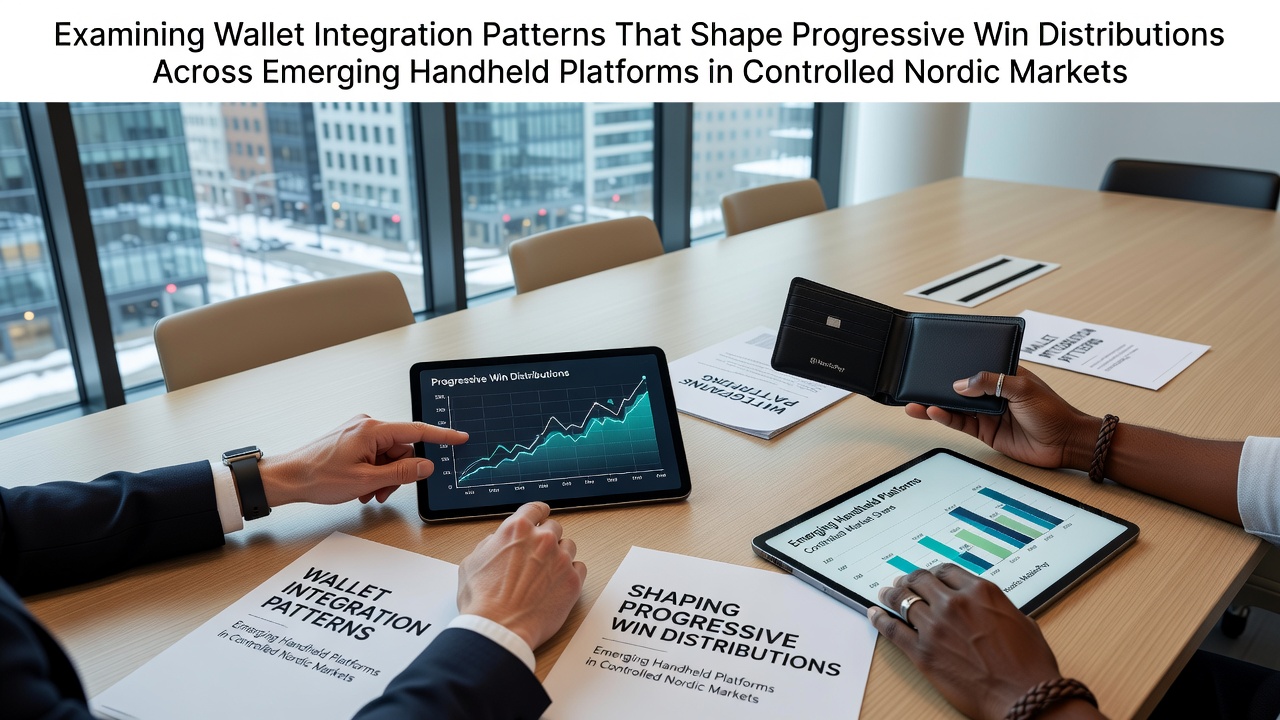
Examining Wallet Integration Patterns That Shape Progressive Win Distributions Across Emerging Handheld Platforms in Controlled Nordic Markets
Wallet integration patterns continue to influence how progressive win distributions operate on emerging handheld platforms throughout controlled Nordic markets, where regulatory frameworks in Sweden, Denmark, Norway, and Finland shape payment flows and prize mechanics. These patterns connect digital payment systems directly to jackpot pools, creating measurable effects on how funds accumulate and release across mobile applications. Data from market monitoring shows that seamless wallet connections allow real-time contributions from player sessions to progressive meters, whereas fragmented integrations often delay or fragment those same distributions.
Core Mechanics of Wallet Integration in Regulated Environments
Payment wallets such as Swish in Sweden and MobilePay in Denmark link user accounts to gaming platforms through standardized APIs that verify transactions before any progressive contribution occurs. Researchers at Nordic gaming institutes have tracked how these connections determine the speed and volume of funds entering shared prize pools, especially when handheld devices process multiple small bets in quick succession. In October 2026, reports from regional oversight bodies noted that platforms using instant wallet verification recorded higher average contributions per active session compared with those relying on batch processing.
Patterns emerge when wallets enforce transaction limits aligned with local responsible gaming rules, which in turn cap the rate at which progressive jackpots grow on portable devices. Observers note that Danish platforms, for instance, route all wallet activity through centralized clearing systems that automatically allocate percentages to progressive tiers, whereas Norwegian operators often layer additional verification steps that slow but stabilize the same allocations.
Handheld Platform Adaptations and Distribution Effects
Emerging handheld platforms incorporate wallet integration at the operating system level, allowing progressive win calculations to update continuously even when users switch between games or networks. This setup produces smoother distribution curves because each verified deposit or withdrawal immediately recalibrates the player's contribution history to the jackpot. Studies conducted by European research consortia indicate that mobile-first implementations in Finland have reduced latency in win notifications by routing wallet confirmations through dedicated gaming channels rather than general banking networks.
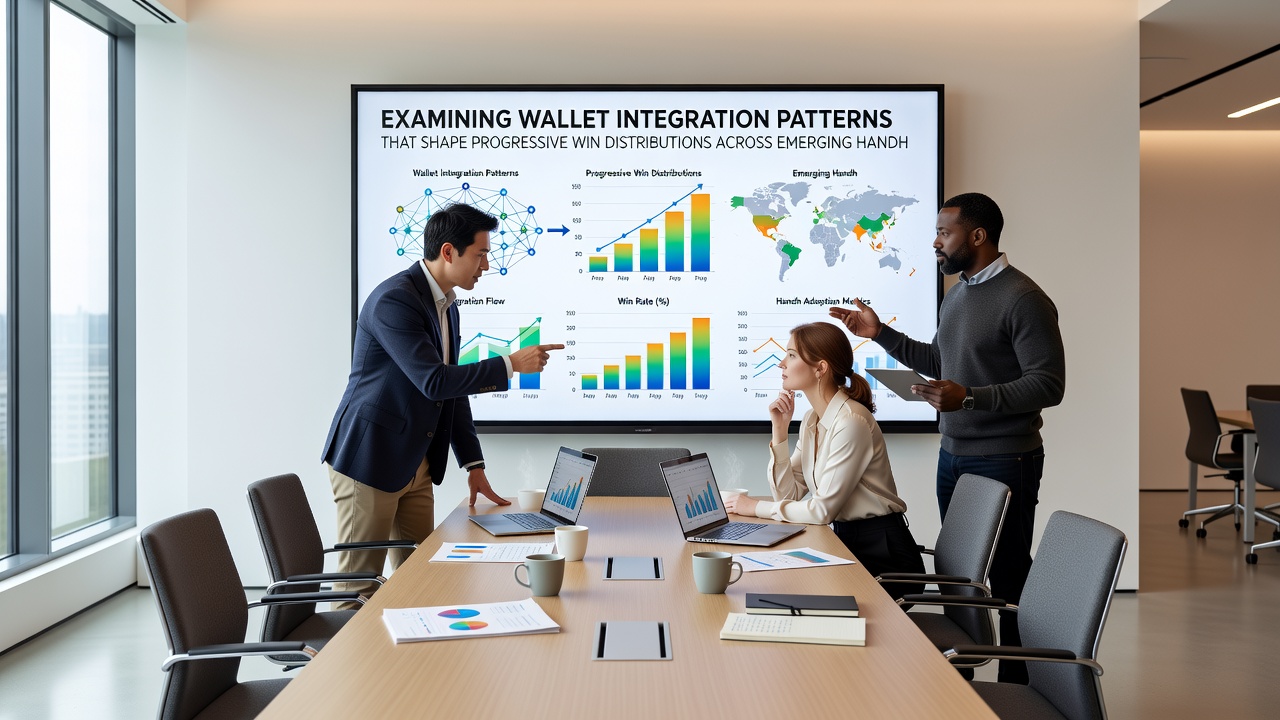
Those who monitor device-level analytics report that certain handheld models cache wallet session data locally before syncing with central servers, which can create temporary imbalances in how progressive pools reflect actual player activity. When sync occurs, the accumulated contributions redistribute across tiers in a single batch, altering the visible growth rate of jackpots for all participants. Such batch effects appear more frequently on platforms that prioritize low-data usage for users in remote Nordic areas.
Regulatory Influences on Wallet and Jackpot Linkages
Controlled Nordic markets impose licensing conditions that require wallet providers to maintain audit trails compatible with progressive system reporting, ensuring every contribution traces back to verified player funds. The Swedish Gambling Authority publishes quarterly summaries that detail how these traceability requirements affect distribution timing across mobile operators. Similar documentation from the Danish Gambling Authority highlights parallel standards that prevent unverified wallet activity from influencing jackpot meters.
Patterns differ across borders because Norway's state-controlled framework routes most wallet traffic through a single national payment gateway, which standardizes contribution percentages before they reach progressive pools. This centralized approach contrasts with Sweden's multi-operator model, where individual platforms negotiate wallet integrations that still must comply with shared technical standards for prize allocation. Academic papers from Scandinavian universities have examined these variations and found that centralized gateways correlate with more predictable win distribution frequencies over extended periods.
Observed Trends in Progressive Win Data Through 2026
Market figures released in October 2026 reveal that platforms combining biometric wallet authentication with handheld progressive games experienced steadier growth in average jackpot sizes, particularly in the mid-tier ranges that activate more frequently than top prizes. These trends connect directly to wallet patterns that minimize failed transaction retries, which otherwise remove potential contributions from the pool calculation. Industry organizations tracking Nordic gaming have documented how such efficiency gains compound across thousands of daily mobile sessions.
Additional data sets show that cross-border wallet compatibility, permitted under certain EU-aligned frameworks, introduces new variables when players move between Swedish and Finnish platforms. Contributions from one jurisdiction's wallet may enter another market's progressive system at different exchange or verification rates, subtly shifting distribution probabilities until reconciliation occurs. Those who analyze these cross-border flows note measurable but contained impacts on overall prize fairness metrics.
Conclusion
Wallet integration patterns continue to determine the structure and timing of progressive win distributions on handheld platforms operating within Nordic regulatory boundaries. Evidence from licensing reports, device analytics, and academic reviews demonstrates that verification speed, transaction limits, and synchronization methods each play distinct roles in shaping how prize pools accumulate and release. As handheld technologies advance and payment systems evolve, these linkages remain central to maintaining compliance and operational consistency across the region.